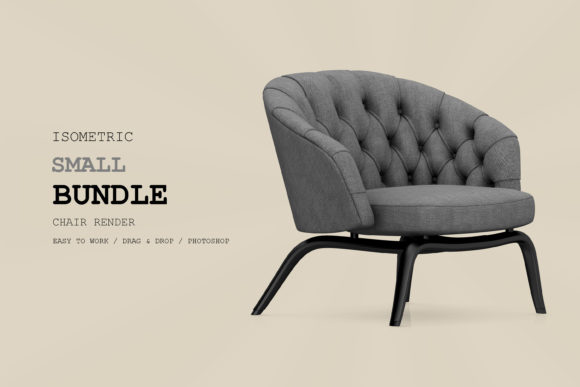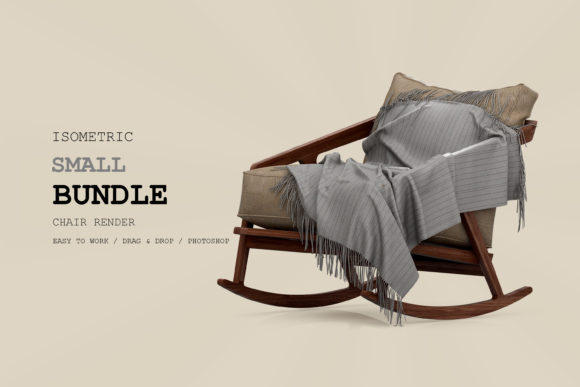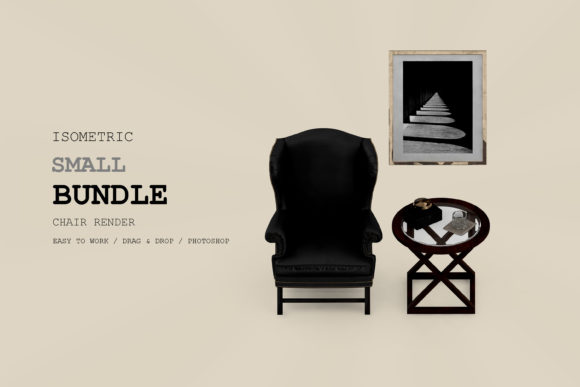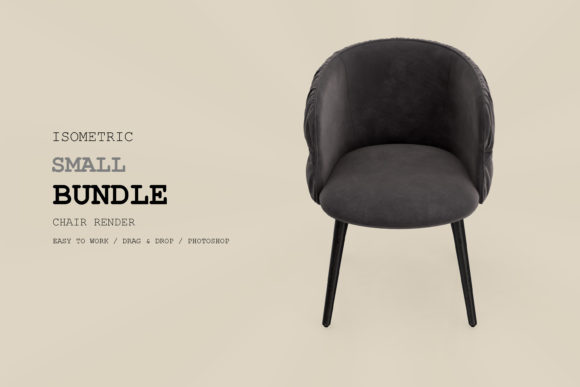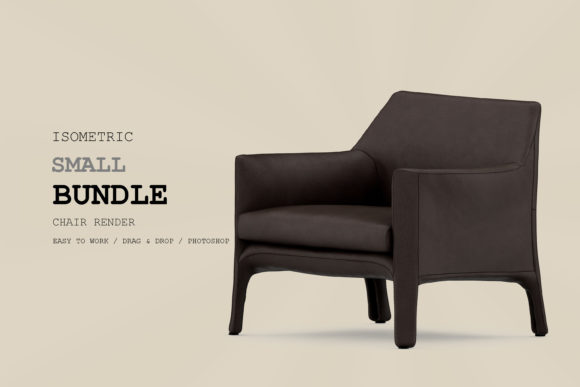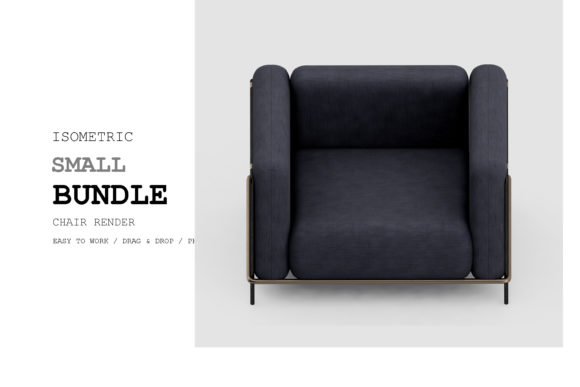
Isometric Armchair 3D Rendering Pack 170
In the rapidly evolving landscape of digital design and visual communication, the demand for high-quality, versatile assets has never been higher. Whether you are an interior architect crafting a virtual walkthrough, a marketer designing a social media campaign, or a student working on a capstone project, the tools and resources you use directly impact the quality of your output. Enter the Isometric Armchair 3D Rendering Pack 170, a specialized collection designed to bridge the gap between conceptual sketching and polished final presentation. This pack is not merely a static image; it is a comprehensive asset library that offers separated backgrounds, high-resolution clarity, organized layers, and separated shadows, making it an indispensable tool for modern creatives.
The relevance of such a specific asset lies in the shift toward isometric projection in digital media. Unlike traditional perspective views, which can be complex to render and interpret quickly, isometric views provide a clear, technical yet aesthetic representation of space and objects. They allow viewers to understand the form, scale, and context of an item without the distortion of vanishing points. The Isometric Armchair 3D Rendering Pack 170 capitalizes on this preference, offering a realistic, high-fidelity model that fits seamlessly into various professional workflows. By providing a DPI of 300 and organized layers, the pack ensures that users can manipulate every aspect of the rendering, from lighting to texture, to suit their specific narrative needs.
The Evolution of Visual Assets in Digital Workflows
Gone are the days when designers relied solely on stock photography that often lacked the specificity required for niche projects. Today’s audiences expect authenticity and customization. In architecture and interior design, clients need to visualize how furniture will look in a space before committing to purchases. In e-commerce, product images must be crisp and detailed to drive sales. The trend toward "digital twins" and virtual staging has accelerated the need for 3D assets that are not only visually accurate but also technically flexible.
This is where the Isometric Armchair 3D Rendering Pack 170 – Separated background – High resolution – DPI 300 – Organized layers – Separated shadow – Help file Where can it be used – School projects – Social Network – Print Projects – Architecture design – Blog – Advertisement – Website and much more… becomes particularly significant. The inclusion of a help file and separated elements indicates a move toward user empowerment. Designers no longer just download an image; they download a toolkit. The separated background allows for easy integration into different environments, while the separated shadow ensures that the armchair interacts realistically with whatever floor or surface it is placed upon. This level of detail reflects a broader industry shift toward modular, reusable assets that save time and enhance consistency across large-scale projects.
Technical Advantages for Professional Designers
For professionals in architecture and interior design, the technical specifications of the Isometric Armchair 3D Rendering Pack 170 offer distinct advantages. The high resolution at 300 DPI means that the asset is print-ready, eliminating the pixelation issues that often plague web-only graphics. This is crucial for creating physical brochures, client presentations, and portfolio pieces that require a tactile, premium feel. When a designer presents a concept to a client, the difference between a blurry, low-res image and a sharp, detailed rendering can be the deciding factor in securing a contract.
Furthermore, the organized layers feature is a game-changer for workflow efficiency. Instead of spending hours trying to isolate an object from its background or adjusting lighting effects manually, designers can access pre-configured layers. This allows for rapid iteration. A designer might want to test the same armchair in a minimalist living room, a cozy study, and a corporate lounge. With the separated background and shadow, these changes can be made in minutes rather than hours. This speed is essential in an industry where deadlines are tight and client feedback loops are frequent.
The separated shadow component deserves special mention. Shadows are what ground an object in reality. Without them, even the most detailed 3D model can appear to float, breaking the illusion of space. By providing a separated shadow, the pack allows designers to adjust the opacity, color, and angle of the shadow to match the lighting conditions of their specific scene. This attention to detail underscores the pack’s utility in high-stakes architectural visualization, where realism is paramount.
Creative Applications Beyond Architecture
While the primary audience for such assets might seem to be architects, the versatility of the Isometric Armchair 3D Rendering Pack 170 extends far beyond built environments. The isometric style has become a staple in graphic design, advertising, and digital marketing. It is clean, modern, and easily readable, making it ideal for infographics, app interfaces, and website headers.
For bloggers and content creators, incorporating high-quality 3D renders can elevate the visual appeal of articles. Imagine a blog post about ergonomic seating solutions featuring a crisp, isolated image of an armchair that can be easily resized and repositioned within the text. The ability to separate the armchair from its background allows for creative compositions that draw the reader’s eye and break up long blocks of text. This is particularly effective for lifestyle blogs, home decor magazines, and product review sites.
In the realm of social media, visual content is king. Platforms like Instagram and Pinterest thrive on aesthetically pleasing, shareable imagery. The Isometric Armchair 3D Rendering Pack 170 provides designers with the raw materials to create eye-catching posts that stand out in crowded feeds. The high resolution ensures that the images look good on high-DPI screens, while the organized layers allow for quick edits to align with brand colors or seasonal themes. For example, a furniture retailer could use the same base asset to create a series of holiday-themed promotions by simply changing the background and adding festive elements.
Educational and Commercial Utility
The utility of this pack is not limited to commercial enterprises. Educational institutions and students benefit greatly from having access to professional-grade assets. In school projects, particularly those related to design, art, and technology, students need to produce work that meets industry standards. Using the Isometric Armchair 3D Rendering Pack 170 allows students to focus on composition, color theory, and spatial arrangement rather than struggling with the technicalities of 3D modeling. The included help file serves as a valuable learning resource, guiding students through the process of manipulating the asset and understanding the principles of isometric design.
For entrepreneurs and small business owners, the cost-effectiveness of using pre-made 3D assets cannot be overstated. Hiring a 3D artist for custom renders can be expensive and time-consuming. By utilizing a pack like this, businesses can achieve a professional look for their websites, advertisements, and catalogs without the associated overhead. This democratization of high-quality design tools levels the playing field, allowing smaller entities to compete visually with larger corporations.
Practical Implementation and Best Practices
To get the most out of the Isometric Armchair 3D Rendering Pack 170, users should adhere to a few best practices. First, always work with the original high-resolution files to maintain quality during the editing process. Second, take advantage of the organized layers to experiment with different lighting scenarios. Even though the shadow is separated, adjusting the ambient light in your design software can change the mood of the entire scene. Third, ensure that the DPI settings are appropriate for your intended output. While 300 DPI is ideal for print, web usage may allow for lower resolutions to optimize loading times, provided the image remains sharp.
Additionally, consider the context in which the armchair is placed. Isometric views work best when the surrounding environment is also rendered in a compatible style. Mixing isometric elements with photorealistic backgrounds can sometimes create a jarring effect. Consistency in style helps to create a cohesive visual narrative, whether you are designing a website landing page or a print advertisement. The separated background feature makes it easier to swap out environments, encouraging experimentation until the perfect balance is found.
Conclusion
The Isometric Armchair 3D Rendering Pack 170 represents a thoughtful convergence of technical precision and creative flexibility. It addresses the modern need for assets that are not only visually stunning but also adaptable to a wide range of applications. From architecture and education to social media and advertising, this pack empowers users to create compelling visuals with greater ease and efficiency. As digital content continues to dominate our interactions, having access to high-quality, well-organized resources like this pack is no longer a luxury—it is a necessity for anyone looking to communicate effectively in a visually driven world.