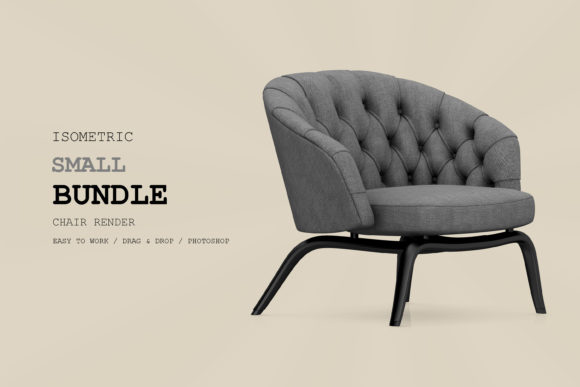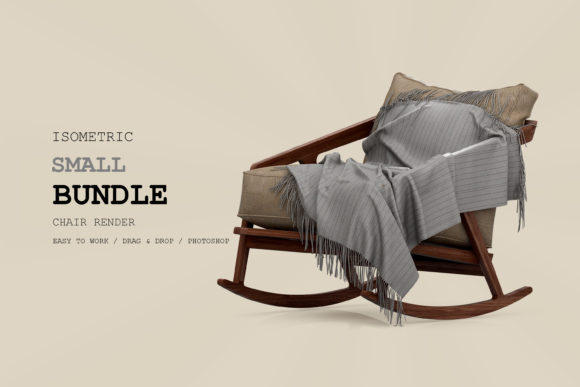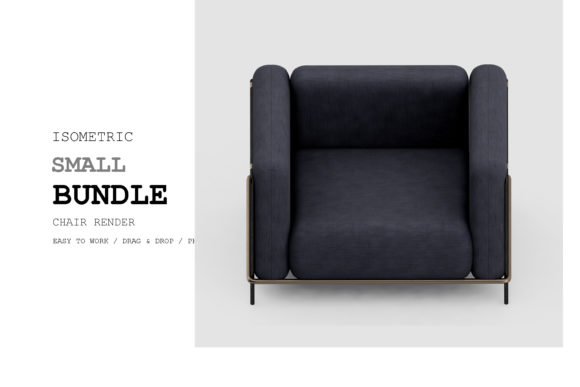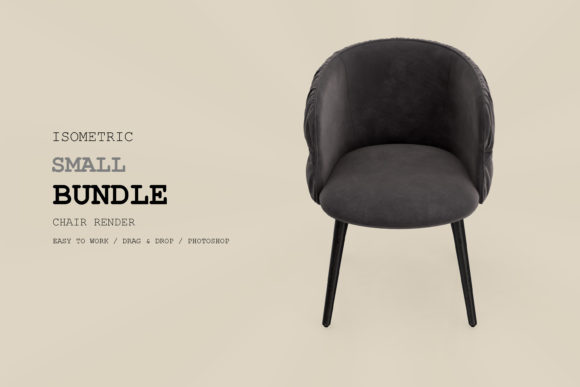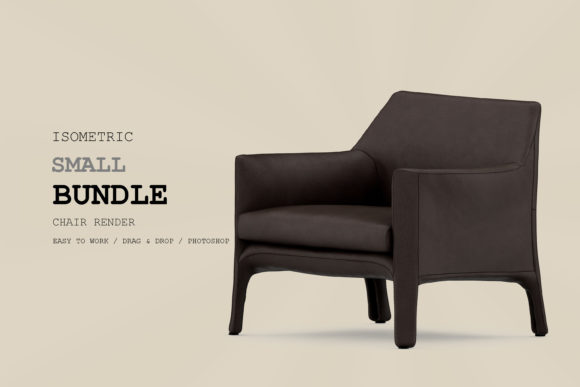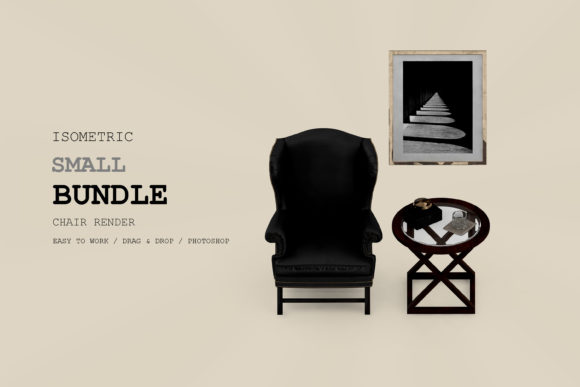
Isometric Armchair 3D Rendering Pack 167
Creating high-quality visual content for architecture, interior design, or digital marketing often requires assets that are both versatile and technically precise. The Isometric Armchair 3D Rendering Pack 167 has emerged as a valuable resource for professionals and hobbyists alike who need realistic furniture elements without the overhead of modeling from scratch. This pack is not just a single image; it is a comprehensive collection designed to integrate seamlessly into various workflows, offering separated backgrounds, organized layers, and high-resolution outputs.
However, simply downloading a 3D asset pack does not guarantee success. Many creators fall into the trap of assuming that any "3D model" will work equally well across all platforms. The specific features of Pack 167—such as its 300 DPI resolution, separated shadows, and included help file—are critical differentiators that impact the final quality of your project. Understanding these technical nuances can save you hours of frustration and ensure your designs look professional rather than amateurish.
Why Technical Specifications Matter More Than You Think
When evaluating a 3D rendering pack, it is easy to focus solely on aesthetics. While the style of the armchair is important, the underlying technical structure determines how usable the asset truly is. One of the most significant advantages of this particular pack is its organization. Layers in 3D rendering are not merely cosmetic; they allow for independent manipulation of materials, lighting, and positioning. If you are working on a complex scene where an armchair needs to be rotated, scaled, or recolored without affecting surrounding elements, having an organized layer structure is indispensable.
A common mistake beginners make is purchasing packs with flattened images or poorly structured files. This forces the user to spend excessive time trying to isolate elements, which often leads to jagged edges or loss of detail. By choosing a pack like Isometric Armchair 3D Rendering Pack 167, which explicitly offers organized layers, you are investing in efficiency. This becomes particularly relevant when you are managing tight deadlines for client presentations or social media campaigns where speed and precision are paramount.
The Importance of High Resolution and DPI Standards
Resolution is another area where many projects fail silently. A low-resolution image might look fine on a small mobile screen but will appear pixelated and unprofessional when printed or viewed on a large desktop monitor. The specification of DPI 300 in this pack ensures that the assets are print-ready. This is crucial for anyone involved in physical marketing materials, such as brochures, business cards, or architectural posters.
For web use, while 300 DPI is higher than the standard 72 DPI for screens, modern displays have high pixel densities (Retina displays, etc.). Providing high-resolution assets ensures that your graphics remain crisp regardless of the viewing device. It also future-proofs your content, allowing you to repurpose the same image for different mediums without needing to source new assets later. Always check the resolution before integrating assets into your workflow to avoid the embarrassment of submitting blurry work to a client.
Separated Backgrounds and Shadows: Achieving Realism
One of the subtle yet powerful features of this pack is the inclusion of separated backgrounds and shadows. In isometric design, lighting consistency is key to creating a believable space. When you drop a 3D object into a scene, it needs to interact with the environment. If the shadow is baked into the image, you lose flexibility. You cannot adjust the angle of the light or the position of the chair without breaking the illusion.
By having the shadow separated, you gain control over how the armchair sits within your composition. This allows for more dynamic and realistic scenes, whether you are designing a cozy corner for a blog post or a detailed layout for an architecture firm. Misunderstanding this feature can lead to flat, "floating" objects that detract from the overall professionalism of the design. Ensure you know how to composite these layers correctly in your software of choice to maximize their potential.
Versatility Across Platforms
The utility of Isometric Armchair 3D Rendering Pack 167 extends far beyond traditional graphic design. Its adaptability makes it suitable for a wide range of applications:
- Architecture Design: Use the armchair to populate floor plans or presentation boards, giving clients a sense of scale and comfort.
- School Projects: Students in design or marketing courses can use these assets to create polished portfolios without needing advanced 3D modeling skills.
- Social Networks: Create engaging, visually appealing posts for Instagram, LinkedIn, or Pinterest that stand out in crowded feeds.
- Print Projects: Leverage the high DPI for tangible materials like flyers, magazines, or exhibition banners.
- Blogs and Websites: Enhance articles about interior design, furniture reviews, or lifestyle topics with consistent, high-quality imagery.
- Advertisement: Develop eye-catching ads for e-commerce stores selling home decor or furniture.
Each of these use cases benefits from the consistency and quality that Pack 167 provides. For instance, a blogger maintaining a cohesive visual theme will appreciate the uniform style of the isometric perspective, while an advertiser will value the ability to quickly swap out products or backgrounds for A/B testing.
Evaluating Before You Commit
Before incorporating this pack into your workflow, take a moment to review the documentation. The inclusion of a help file is a significant indicator of a well-supported product. It suggests that the creators anticipate potential questions regarding compatibility, file formats, or usage rights. Reading this guide can prevent common pitfalls, such as using incompatible software versions or misunderstanding licensing terms.
Additionally, consider your specific needs. Do you need to modify the texture of the fabric? Are you looking for a specific color palette? Verify that the pack allows for the level of customization you require. While the base assets are high quality, the true value lies in how easily they can be adapted to fit your unique brand identity or project requirements.
Conclusion
The Isometric Armchair 3D Rendering Pack 167 represents a thoughtful approach to digital asset creation. By prioritizing technical details like layered organization, high resolution, and separated shadows, it empowers users to produce superior visual content across various domains. Whether you are a seasoned architect, a freelance marketer, or a student, understanding and leveraging these features will enhance your productivity and the quality of your output. Avoid the common traps of poor asset management by choosing resources that offer flexibility and clarity, ensuring your projects always look their best.