The Evolution of Visual Depth: Why Abstract 3D Cube Texture Backgrounds Are Reshaping Digital Aesthetics
In the rapidly evolving landscape of digital design, the line between physical materiality and virtual space has never been more blurred. For professionals, creators, and entrepreneurs, the demand for visual assets that convey depth, complexity, and modernity is at an all-time high. Enter Abstract 3D Cube Texture Backgrounds, a versatile design element that has transitioned from niche experimental art to a cornerstone of contemporary digital illustration. These backgrounds are not merely decorative; they represent a sophisticated intersection of geometry, light, and texture that speaks directly to the modern consumer’s desire for immersive experiences.
As we navigate an era defined by spatial computing, augmented reality, and high-fidelity web interfaces, static flat designs often fail to capture attention. The market is shifting toward assets that feel tactile yet futuristic. This article explores the significance of these textures, their integration with other artistic styles like digital painting and grunge elements, and why they have become essential tools for marketers and freelancers alike.
Deconstructing the Aesthetic: More Than Just Geometry
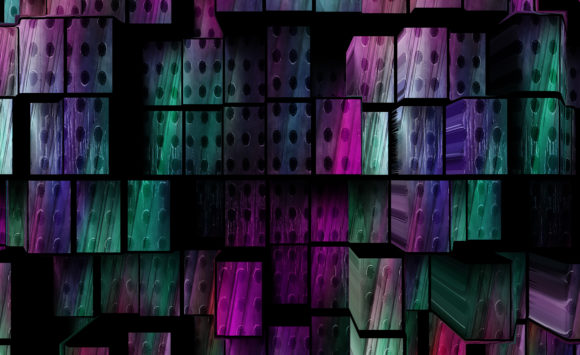
At its core, an abstract 3D cube texture background utilizes the fundamental building block of digital architecture—the cube—to create complex visual narratives. However, describing it simply as "geometric" undersells its potential. When executed with high-quality texture design, these backgrounds incorporate fractal surfaces, light effect textures, and nuanced gradient backgrounds that give the illusion of tangible weight and dimension.
The relevance of this style lies in its ability to mimic the real world while remaining distinctly abstract. In a business context, this duality is powerful. It suggests stability (through the cube structure) and innovation (through the abstract, fluid application of color and texture). For instance, a tech startup might use a sleek, metallic-finish 3D cube background to signal precision and cutting-edge technology, whereas a creative agency might opt for a colorful grunge texture overlay on similar geometric forms to suggest raw creativity and disruption.
These designs are rarely monolithic. They are often composed of multiple layers:
- Structural Foundation: The 3D arrangement of cubes or hexagonal patterns that provide depth.
- Surface Detail: High-resolution textures that simulate materials like brushed metal, matte plastic, or even organic fabrics.
- Lighting and Atmosphere: Dynamic lighting effects that cast realistic shadows and highlights, enhancing the three-dimensional perception.
- Color Palette: Strategic use of gradients and contrasting hues to guide the viewer’s eye.
The Convergence of Styles: From Digital Painted Designs to Grunge Realism
One of the most compelling aspects of modern texture packs is their versatility. A single asset library might offer abstract 3d cube texture backgrounds that seamlessly blend with digital painted abstract design techniques. This fusion allows designers to move beyond sterile corporate aesthetics into territory that feels hand-crafted and unique.
Consider the trend of mixing clean vector geometry with rough, organic textures. By applying a colorful grunge texture over a pristine 3D cube grid, designers can create a sense of history and grit. This is particularly effective in branding for lifestyle products, music industries, or fashion brands that want to appear authentic and grounded despite operating in a digital-first world. The contrast between the perfect mathematical symmetry of the cube and the chaotic beauty of the grunge overlay creates visual tension that keeps the audience engaged.
Furthermore, the inclusion of beautiful texture illustration elements ensures that these backgrounds are not just placeholders but focal points. Whether it is a special painted texture that mimics oil brushstrokes or a computer generated texture that simulates microscopic surface details, the level of granularity available today allows for hyper-realistic results. This level of detail is crucial for large-format displays, where pixelation or lack of depth would be immediately apparent.
Why Professionals Are Paying Attention: Workflow and Market Relevance
For freelancers and marketing agencies, efficiency without sacrificing quality is paramount. This is where the utility of multi-purpose texture packs becomes evident. These assets are designed for multipurpose uses, meaning a single high-quality texture design can be adapted for website headers, social media campaigns, presentation decks, and even print collateral.
The shift towards remote work and global collaboration has increased the need for scalable, adaptable visual assets. A designer in one time zone needs to hand off work to a marketer in another. Having a library of 4 different color variations within a cohesive theme streamlines this process. It allows for rapid A/B testing of color psychology—such as using blue tones for trust in fintech apps versus vibrant, energetic gradients for entertainment platforms—without requiring custom rendering from scratch each time.
Moreover, the rise of "dark mode" interfaces and immersive web experiences has created a specific demand for backgrounds that perform well in low-light environments. Gradient backgrounds combined with subtle light effect textures are ideal for this. They provide enough visual interest to prevent the screen from feeling empty, yet remain dark enough to reduce eye strain. This aligns with broader consumer trends towards digital wellness and ergonomic design.
Technical Mastery: The Role of Computer Generated Textures
While the aesthetic appeal is obvious, the technical underpinning of these designs deserves attention. Modern computer generated textures leverage advanced rendering engines to simulate physics-based lighting and material properties. This means that when a user interacts with a website featuring these backgrounds, the visual response feels natural and responsive.
This technological advancement supports the broader industry trend of Web 3.0 and immersive web experiences. As browsers become more capable of handling WebGL and Three.js content, static images are increasingly being replaced by dynamic, interactive 3D scenes. However, for many applications, a high-fidelity static image remains the most performance-efficient solution. The key is achieving photorealism in a static format. This is where the distinction between a generic clip-art cube and a premium modern background illustration becomes critical. The latter involves careful consideration of refraction, reflection, and ambient occlusion to create a believable object in space.
Practical Applications Across Industries
The adaptability of abstract 3D cube textures makes them suitable for a wide array of professional contexts. Here is how different sectors are leveraging these assets:
- Tech and SaaS: Companies often use cool-toned, metallic 3D cubes to represent data structures, cloud computing, and connectivity. The clean lines suggest order and efficiency.
- Creative Agencies: By utilizing digital painted abstract design overlays, agencies showcase their artistic range. The combination of structured geometry with free-form paint strokes signals both strategic thinking and creative freedom.
- E-commerce: Product pages benefit from gradient backgrounds that highlight the product without distraction. Subtle 3D textures add depth to the page, making the shopping experience feel more premium and engaging.
- Education and E-learning: Complex concepts are often visualized using 3D blocks. Using these as background elements reinforces the theme of building knowledge and structural learning.
Future-Proofing Your Design Strategy
As we look ahead, the demand for visual assets that bridge the gap between the analog and digital worlds will only grow. With the advent of mixed reality headsets and improved mobile hardware, users will expect higher fidelity visuals in everyday interactions. Investing in high-quality, versatile texture libraries now positions brands and creators to meet these future demands.
The emphasis on high quality texture design is not just about aesthetics; it is about credibility. In a crowded digital marketplace, the polish of your visual assets reflects the polish of your service or product. A blurry or poorly rendered background can subconsciously signal a lack of attention to detail. Conversely, a meticulously crafted fractal surface or a perfectly lit light effect texture communicates professionalism and care.
Additionally, the sustainability aspect of digital design cannot be ignored. Efficient, reusable assets reduce the carbon footprint associated with excessive rendering times and data transfer. By choosing versatile, multipurpose textures, designers contribute to more sustainable digital practices while maintaining high creative standards.
Conclusion
The resurgence of abstract geometric forms, specifically through the lens of abstract 3d cube texture backgrounds, marks a significant moment in design history. It is a convergence of technical precision and artistic expression that meets the needs of modern businesses. Whether you are integrating colorful grunge texture elements for edgy branding or relying on clean gradient backgrounds for minimalist interfaces, these textures offer a robust foundation for visual storytelling.
For professionals seeking to elevate their projects, understanding the nuances of these textures—from the interplay of light and shadow to the choice of color palettes—is essential. By leveraging these high-quality, computer-generated assets, creators can produce work that is not only visually stunning but also strategically aligned with current market trends. In a world that is increasingly digital, providing a sense of tangible depth and quality is the ultimate competitive advantage.
As you consider your next design project, remember that the background is not just a backdrop; it is the stage upon which your message performs. Choose textures that resonate with your audience, reflect your brand’s values, and stand the test of time. The future of design is textured, dimensional, and deeply immersive.