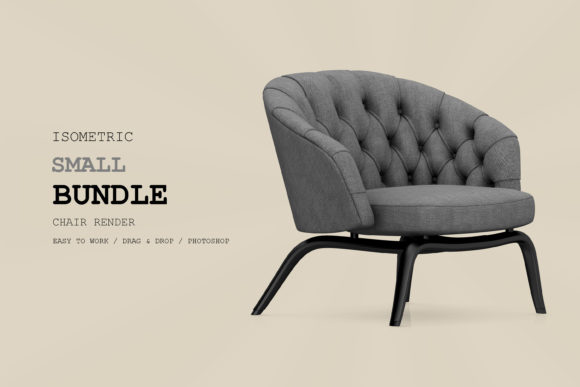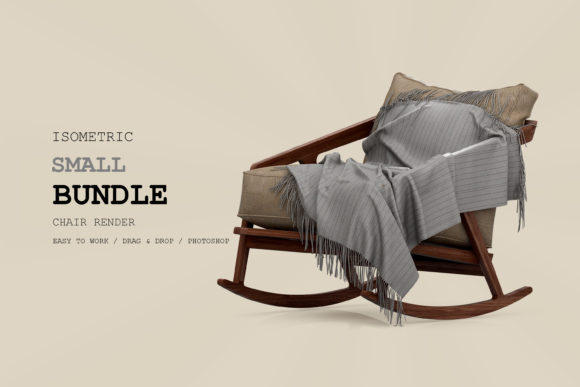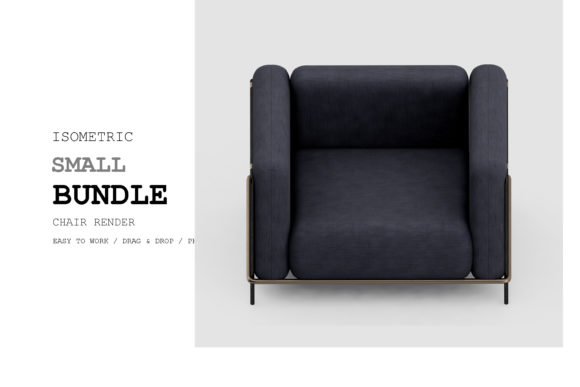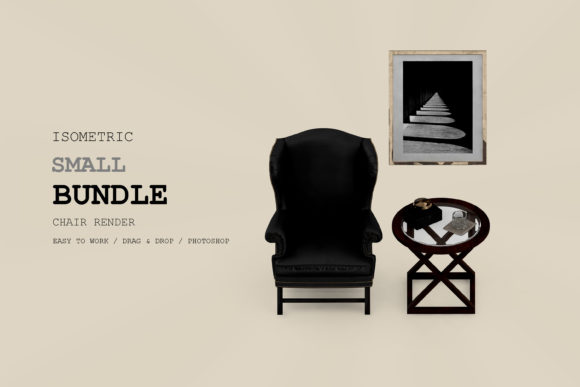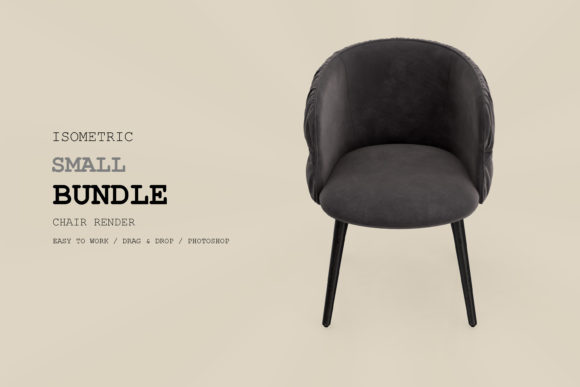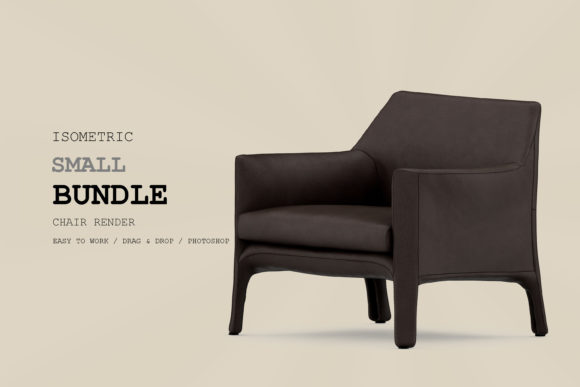
Isometric Armchair 3D Rendering Pack 161
In the modern digital landscape, visual communication is no longer just an aesthetic choice; it is a strategic imperative. For entrepreneurs, architects, marketers, and educators, the ability to convey spatial relationships, product quality, and design intent quickly and clearly can determine the success of a project. This is where specialized assets like the Isometric Armchair 3D Rendering Pack 161 move beyond simple decoration and become essential tools for professional execution.
This specific pack offers more than just a static image of furniture. It provides a high-fidelity, organized, and versatile resource designed for professionals who demand precision. By understanding the technical specifications—such as separated backgrounds, organized layers, and high-resolution output at 300 DPI—users can leverage this asset to enhance their branding, streamline workflows, and improve client communication across multiple platforms.
The Strategic Value of Isometric Visualization
Isometric projection has long been favored in technical illustration, game design, and architectural planning because it allows viewers to perceive depth and scale without the distortion of perspective. When applied to interior design or product marketing, an isometric view communicates structure and detail with clarity that flat photography sometimes lacks. The Isometric Armchair 3D Rendering Pack 161 capitalizes on this advantage, offering a clean, geometric representation that is easy to integrate into complex compositions.
For decision-makers in architecture and interior design, the primary value lies in efficiency. Instead of commissioning custom renders for every small element in a larger scene, professionals can use pre-made, high-quality assets like this armchair pack to populate environments rapidly. This accelerates the prototyping phase, allowing designers to focus on layout, lighting, and user experience rather than modeling basic furniture from scratch. Furthermore, the separated shadow feature ensures that the chair integrates naturally into any background, maintaining realistic lighting consistency without requiring advanced compositing skills.
Technical Specifications That Drive Professional Results
Not all digital assets are created equal. The difference between a usable professional asset and one that compromises brand integrity often comes down to file organization and resolution. The Isometric Armchair 3D Rendering Pack 161 is engineered with these professional standards in mind.
- High Resolution (300 DPI): In print media, pixelation is immediately visible and damaging to credibility. A 300 DPI resolution ensures that whether the armchair is used in a large-format brochure, a business card, or a detailed architectural poster, the edges remain crisp and the textures retain their fidelity. This is critical for print projects where physical presence matters.
- Organized Layers: One of the most significant time-savers in graphic design is non-destructive editing. With organized layers, users can easily recolor the upholstery, adjust the frame material, or isolate specific components like the armrests or legs. This flexibility allows for rapid customization to match specific brand color palettes or client preferences without needing to re-render the entire object.
- Separated Background and Shadow: Clean separation from the background eliminates the need for tedious masking work. The included separated shadow adds depth and grounding, making the asset ready to drop into any composition. This feature is particularly useful for social media graphics and website banners, where quick turnaround times are essential.
- Help File Integration: Accessibility matters. The inclusion of a help file reduces the learning curve, ensuring that even less experienced users can navigate the file structure effectively. This democratizes access to high-end visuals, empowering smaller teams or solo creators to produce enterprise-grade content.
Diverse Applications Across Industries
The versatility of the Isometric Armchair 3D Rendering Pack 161 makes it relevant across a wide spectrum of industries. Its utility extends far beyond mere decoration, serving functional roles in education, commerce, and creative storytelling.
Architecture and Interior Design
Architects and interior designers often struggle to communicate spatial concepts to clients who may not read blueprints fluently. Isometric views bridge this gap. By incorporating the armchair into 3D floor plans or virtual staging presentations, designers can show how furniture fits within a room’s dimensions. The separated layers allow for swapping different styles of chairs to present multiple options to a client, facilitating faster decision-making and improving the customer experience during the sales process.
Advertising and E-Commerce
In the competitive world of online retail, product visualization is key to conversion. While photorealistic 360-degree views are ideal, they are expensive to produce. High-quality isometric assets offer a compelling middle ground. They look polished and modern, fitting well within minimalist web designs or promotional advertisements. The 300 DPI resolution ensures the images hold up when zoomed in, allowing potential customers to inspect details, which builds trust and reduces return rates due to mismatched expectations.
Education and Academic Projects
For educators and students, visual aids are crucial for engagement. In school projects related to design, psychology (environmental impact on mood), or sociology, the Isometric Armchair 3D Rendering Pack 161 provides a neutral yet sophisticated focal point. Students can use these assets to create infographics, presentation slides, or interactive prototypes. The organized layers encourage experimentation, allowing learners to deconstruct the object and understand its form and function better.
Content Creation and Blogging
Bloggers and publishers constantly seek unique visuals to break up text and maintain reader interest. Generic stock photos are overused and often lack distinctiveness. Using a specialized asset like this armchair pack helps establish a unique visual identity for a blog or social media channel. Whether illustrating an article about home office ergonomics, luxury living trends, or sustainable materials, the high-resolution render adds authority and polish to the content.
Strategic Considerations for Implementation
While the benefits are clear, successful integration requires intentionality. Relying on digital assets without a clear strategy can lead to inconsistent branding or technical issues. Here are practical guidelines for using the Isometric Armchair 3D Rendering Pack 161 effectively.
- Define the Context First: Before importing the asset, determine where it will live. Is it for a dark-mode website interface? A bright print catalog? Adjust the brightness and contrast of the separated shadow layer to match the ambient lighting of your target environment. Consistency in lighting creates subconscious trust in the viewer.
- Leverage Layer Flexibility: Do not treat the armchair as a static JPEG. Use the organized layers to customize the texture. If you are designing for a brand with specific green tones, use the layer masks to tint the fabric appropriately. This level of customization transforms a generic asset into a branded element, enhancing recognition.
- Maintain Aspect Ratio and Scale: Isometric art relies on precise angles. When scaling the armchair, ensure you maintain the aspect ratio to prevent distortion. Incorrect scaling can make the furniture look unrealistic, undermining the professional quality of the final design. Always use reference grids when placing the asset in larger scenes.
- Check Print Requirements: Even though the pack is 300 DPI, always verify the final canvas size before exporting for print. If you plan to use the armchair in a very large banner, you may need to upscale the individual elements carefully to avoid pixelation. Conversely, for web use, optimize the file size by flattening layers and compressing the image to ensure fast loading times without sacrificing perceived quality.
Avoiding Common Pitfalls
A common risk in using pre-made 3D packs is the "stock photo" feel. If too many competitors use the same asset without modification, the uniqueness of your brand suffers. To mitigate this, always add contextual elements. Place the armchair in a simulated environment, add complementary objects, or overlay textures that align with your brand story. The goal is to make the asset feel like an integral part of a larger narrative, rather than a clipart insertion.
Another pitfall is ignoring accessibility. When using high-contrast isometric designs, ensure there is sufficient contrast between the asset and the background for visually impaired users. The separated background feature helps here, as it allows you to test various background colors against the armchair to ensure compliance with WCAG (Web Content Accessibility Guidelines) standards.
Long-Term Value and Scalability
Investing in high-quality assets like the Isometric Armchair 3D Rendering Pack 161 is a scalable strategy. Unlike hiring a modeler for each new project, a single purchase can be reused across dozens of campaigns, websites, and presentations. Over time, building a library of such organized, high-DPI assets creates a repository of professional resources that significantly reduces production costs and time-to-market.
Furthermore, as remote work and digital-first interactions continue to dominate, the demand for clear, concise, and visually appealing digital content will only grow. Professionals who master the use of these tools position themselves ahead of the curve, capable of producing high-impact visuals that drive engagement, clarify complex ideas, and support business objectives.
Conclusion
The Isometric Armchair 3D Rendering Pack 161 is more than a collection of images; it is a toolkit for efficient, professional visual communication. By leveraging its high resolution, organized layers, and versatile format, creators in architecture, marketing, education, and design can elevate their work. Success lies not just in having the asset, but in using it strategically—customizing it to fit brand identities, integrating it thoughtfully into broader narratives, and applying it with technical precision. In doing so, you transform a simple piece of furniture into a powerful instrument for achieving better results in your professional endeavors.