3D Icon Space Board: Elevate Your Digital Designs
In the fast-paced world of digital content creation, visual hierarchy and clarity are paramount. Whether you are a seasoned graphic designer, a small business owner crafting your brand identity, or an educator creating engaging learning materials, the way you present information can make or break user engagement. This is where specialized design assets come into play. The 3D Icon Space Board is not just another template; it is a versatile, high-resolution canvas designed to showcase icons, products, or key messaging with depth and professionalism.
Understanding what this asset offers goes beyond simple aesthetics. It represents a workflow improvement for creators who need to produce polished visuals quickly without sacrificing quality. By providing a structured "space" for your elements, it removes the guesswork from layout and composition, allowing you to focus on the core message rather than fighting with alignment tools. Let’s explore exactly what you get, why it matters, and how it fits into your daily creative process.
What Exactly Is the 3D Icon Space Board?
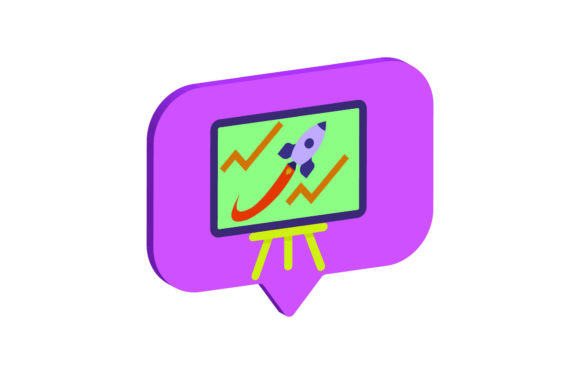
At its core, the 3D Icon Space Board is a pre-designed digital environment optimized for displaying three-dimensional iconography or product mockups. Think of it as a virtual stage. Instead of starting from a blank white canvas every time you need to present a set of icons or a logo, you drop these elements onto the board, and they instantly gain context, lighting, and spatial relationship. This tool bridges the gap between flat vector graphics and immersive 3D visualization.
The primary strength of this design lies in its versatility. It serves as a neutral yet sophisticated backdrop that allows your foreground elements—be they app icons, feature badges, or educational symbols—to pop. The "board" aspect implies a structured area, often with subtle shadows, gradients, or geometric planes that guide the viewer's eye. It creates a sense of depth that flat designs often lack, making it particularly effective for social media thumbnails, presentation slides, and web headers.
Key Characteristics and Strengths
- Dimensional Depth: Unlike standard flat layouts, this board utilizes perspective and shading to create a realistic sense of space, enhancing visual interest.
- Professional Polish: The design includes inherent styling cues (like soft shadows or clean lines) that elevate the perceived value of whatever you place on it.
- Scalability: Built on a robust resolution base, ensuring crisp output across various media types, from mobile screens to large format prints.
- Modularity: The space is designed to accommodate varying numbers of icons or text blocks, offering flexibility for different campaign needs.
What You Get: A Complete File Suite
One of the most significant advantages of acquiring this specific design package is the comprehensive nature of the deliverables. In the professional design industry, compatibility is king. You might be working in Adobe Illustrator one day and preparing files for a print-on-demand service the next. Restricting yourself to a single file format can bottleneck your workflow. That is why this package provides a total of 6 digital files, each tailored for a specific purpose.
All files are generated on a high-quality 1920px x 1280px canvas. This aspect ratio is ideal for landscape-oriented presentations, website banners, and standard desktop wallpapers, covering a wide range of modern display needs. Here is a breakdown of the formats included and why each one is valuable to your toolkit:
Vector Formats: AI, EPS, SVG, DXF
For designers and developers, vector files are essential because they allow for infinite scaling without loss of quality. The package includes:
- AI File (Adobe Illustrator): The native source file. This gives you full access to layers, paths, and editable objects. If you need to tweak colors, adjust spacing, or integrate custom typography, this is your starting point.
- EPS File (Encapsulated PostScript): A widely supported vector format compatible with many design applications beyond Adobe’s ecosystem. It is excellent for importing into older software versions or using in certain print production workflows.
- SVG File (Scalable Vector Graphics): The gold standard for web design. SVGs are lightweight, code-based, and scale perfectly on any screen size. Use this for embedding directly into HTML/CSS projects, interactive websites, or responsive apps.
- DXF File (Drawing Exchange Format): Primarily used in CAD (Computer-Aided Design) and laser cutting/plasma cutting workflows. If you plan to take this design from digital to physical—perhaps by having a sign cut out of acrylic or wood based on the board’s geometry—this file is indispensable.
Raster Formats: JPG and PNG
Not everyone works with vectors, and sometimes you need a quick, ready-to-use image. For these scenarios, the package provides two raster options:
- PNG File (Portable Network Graphics): Essential for designs requiring transparency. If you want to overlay the 3D board onto a colored background, a patterned texture, or a video frame, the transparent background of the PNG ensures seamless integration.
- JPG File (Joint Photographic Experts Group): Ideal for quick sharing, email attachments, or platforms that do not support transparency. It offers smaller file sizes while maintaining good visual fidelity for general viewing.
Practical Applications Across Industries
The utility of the 3D Icon Space Board extends far beyond simple decoration. Its structured nature makes it a powerful communication tool in several professional domains.
Digital Marketing and Social Media
Marketers constantly battle for attention in crowded feeds. A flat list of features is easily scrolled past. However, presenting those features as 3D icons resting on a stylish board captures the eye. You can use this asset to create consistent branding for Instagram carousels, LinkedIn articles, or Facebook ads. The uniform look establishes authority and trust, signaling to your audience that your brand pays attention to detail.
Education and E-Learning
Educators and instructional designers know that cognitive load is real. Complex ideas become easier to digest when broken down into visual chunks. The 3D board provides a clear "container" for these chunks. Imagine a slide deck explaining the steps of a scientific process or a module for an online course. Placing each step on the board creates a visual roadmap that helps students retain information better than plain text ever could.
Product Launches and Tech Presentations
For entrepreneurs and tech startups, pitching is everything. When presenting a new app or software suite, showing the interface icons floating in a 3D space suggests innovation and modernity. It moves the conversation away from abstract concepts to tangible benefits. The professional finish of the board ensures that your pitch deck looks polished, reducing the friction potential investors feel when evaluating a product.
Freelance Services and Portfolios
Freelancers often struggle with consistency. Using the 3D Icon Space Board as a recurring element in your portfolio or service listings creates a cohesive visual language. Whether you are highlighting your photography services, consulting packages, or writing samples, the board acts as a reliable anchor that ties your diverse offerings together under one aesthetic umbrella.
Why Usability and Efficiency Matter
In an era where speed is currency, the ease of editing is just as important as the final look. The inclusion of multiple editable formats means you are not locked into a rigid design. You can swap out colors to match a client’s brand guidelines, replace placeholder icons with your own, or adjust the layout to fit specific copy requirements. This flexibility reduces the time spent recreating designs from scratch.
Furthermore, the 1920x1280 resolution strikes a balance between high detail and manageable file size. It is sharp enough for retina displays but light enough to load quickly on websites. This consideration for user experience (UX) is crucial. Slow-loading, overly complex graphics can hurt your SEO rankings and frustrate users. This asset provides the best of both worlds: high impact and technical efficiency.
Final Thoughts on Implementation
When integrating the 3D Icon Space Board into your projects, remember that less is often more. The board is designed to highlight your content, not compete with it. Ensure your icons or text have sufficient contrast against the board’s background. Keep the placement centered or aligned according to the grid structure provided in the AI/EPS files to maintain balance.
Whether you are a hobbyist looking to spice up personal blog posts or a corporate marketer launching a nationwide campaign, this asset offers a practical solution to common design challenges. By providing six distinct formats, it respects the diverse tools and platforms professionals use today. It is a smart investment of time and resources, delivering immediate value through enhanced visual communication and streamlined workflow efficiency.