The Ultimate Guide to Using 3D Fawn SVG Files for Creative Cutting Projects
In the world of digital crafting, few things capture the imagination quite like a delicate, lifelike animal design. The 3D Fawn SVG has emerged as a popular choice among hobbyists and professional designers alike, offering a blend of natural beauty and technical precision. Whether you are looking to create intricate wall art, personalized gifts, or decorative home accents, understanding how to utilize this specific file format is key to achieving professional results.
This guide explores everything you need to know about the 3D Fawn SVG download, including its various formats, compatible software, and practical applications. By the end of this article, you will have a comprehensive understanding of how to bring this charming design to life using modern cutting machines and graphic design tools.
What Is a 3D Fawn SVG?
At its core, an SVG (Scalable Vector Graphics) file is a type of image file that uses mathematical equations to define shapes rather than pixels. This means that no matter how much you zoom in or scale up the image, it remains crisp and clear. When combined with a "3D" aesthetic, the design typically features layered elements, shadows, or depth cues that give the flat vector a sense of volume and realism.
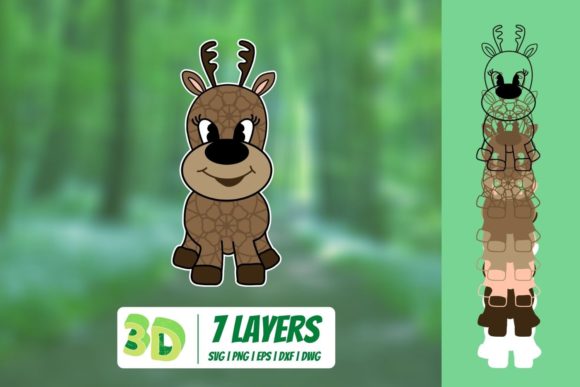
The 3D Fawn SVG specifically depicts a young deer, often rendered with detailed fur textures, expressive eyes, and naturalistic poses. Unlike raster images (like JPEGs), which can become pixelated when resized, vector files allow you to cut designs at any size—from a tiny sticker to a large banner—without losing quality. This versatility makes the fawn design particularly appealing for a wide range of crafting projects.
Understanding the File Formats: SVG, DXF, PNG, and EPS
When you purchase or download a 3D Fawn SVG Download, you are rarely receiving just one file. Most high-quality digital assets come in a zipped folder containing multiple formats to ensure compatibility across different devices and software programs. Let’s break down what each format offers and who should use them.
SVG: The Standard for Digital Cutters
The SVG format is the gold standard for digital cutting machines. It is widely supported by the most popular software platforms used by crafters today. If you own a machine from Cricut, Silhouette, Brother, or similar brands, the SVG is your go-to file type.
Key Benefits:
- Scalability: Resize without quality loss.
- Layering: Many 3D fawn SVGs include separate layers for background, mid-ground, and foreground, allowing you to create physical depth by cutting and gluing multiple pieces.
- Compatibility: Works seamlessly with major cutting software.
DXF: For Basic Software Users
The DXF (Drawing Exchange Format) is another vector format, but it is simpler than SVG. It is primarily designed for use with Silhouette Basic Edition, which lacks some of the advanced features found in the Designer Edition. If you are using the free or entry-level version of Silhouette Studio, the DXF file ensures you can still import and cut the fawn design without needing to upgrade your software.
EPS: For Professional Designers
EPS (Encapsulated PostScript) files are commonly used in professional graphic design workflows. They are compatible with industry-standard software such as CorelDraw, Inkscape (a free alternative to Illustrator), and Adobe Illustrator. If you plan to edit the fawn design extensively, add custom text, or integrate it into a larger logo or branding project, the EPS format provides the necessary flexibility and control.
PNG: For Visual Reference and Non-Cutting Uses
The PNG (Portable Network Graphics) file is a raster image, meaning it is made of pixels. However, high-quality PNGs feature a transparent background, making them ideal for digital use. In the context of a 3D Fawn SVG download, the PNG serves two purposes:
- Preview: It allows you to see exactly what the final design looks like before you start cutting.
- Digital Printing: If you are printing directly onto fabric or paper using a standard inkjet printer, you would use the PNG file instead of sending data to a cutter. These files are typically provided at 300 DPI (dots per inch) to ensure sharp, photo-quality resolution.
Software Compatibility: Where Can You Use Your Files?
One of the biggest advantages of the 3D Fawn SVG is its broad software support. Here is a breakdown of the most common platforms and how they interact with these files.
Cricut Design Space
If you are a Cricut user, the process is straightforward. You can upload the SVG file directly into Cricut Design Space. Once uploaded, the software recognizes the individual paths and layers. For a 3D effect, you may need to arrange the layers on the canvas to match the intended depth, then send the cut instructions to your machine.
Silhouette Studio (Designer & Basic Editions)
Silhouette users have options depending on their software tier. The Designer Edition supports full SVG functionality, including layer editing and color separation. The Basic Edition relies on the DXF file, which imports cleanly and allows for basic cutting operations.
Make the Cut (MTC)
Make the Cut MTC is a robust third-party software known for its ability to handle complex cuts and vinyl organization. It accepts both SVG and DXF files, making it an excellent choice for users who want more control over their cut settings and material nesting.
Sure Cuts A Lot (SCAL)
Sure Cuts A Lot SCAL is another powerful option, particularly favored by users who prefer a desktop-based application over cloud-based systems. It handles SVG files efficiently and offers advanced features like contouring and grouping, which are useful for simplifying complex fawn designs before cutting.
Brother ScanNCut Canvas
Brother ScanNCut users can utilize the Canvas software to import SVG files. While Brother machines also have proprietary formats (.svgz or .brd), uploading standard SVGs allows for greater flexibility if you switch between different brand machines or share designs with friends.
Professional Graphic Software
For those using CorelDraw, Inkscape, or Adobe Illustrator, the EPS and SVG files open natively. This allows for precise editing of nodes, colors, and shapes. This is particularly useful if you want to modify the fawn’s pose, adjust the antler size, or combine it with other elements for a custom project.
Practical Applications: Bringing the Fawn to Life
Now that you understand the technical aspects, let’s look at how you can use the 3D Fawn SVG in real-world projects. The versatility of the design allows it to fit into various themes and occasions.
Nursery and Baby Decor
Deer and forest animals are timeless motifs in nursery decor. A 3D fawn cut from soft felt or pastel-colored cardstock can be used to create mobile hangings, wall decals, or crib bumpers. The layered nature of the 3D design adds a tactile element that is engaging for infants and visually soothing for parents.
Seasonal Home Accents
While fawns are often associated with spring, they can be adapted for autumn themes. Imagine a 3D fawn cut from burnt orange and brown kraft paper, layered to create depth, and mounted on a wooden sign. This creates a rustic, woodland feel perfect for fall harvest decorations.
Personalized Gifts
Use the PNG file to print the fawn on high-quality photo paper for framed art. Alternatively, use the SVG to cut the design from vinyl and apply it to water bottles, laptops, or notebooks. Adding the recipient’s name in a complementary font transforms a simple animal shape into a cherished keepsake.
Business Branding
Small businesses in the pet care, outdoor recreation, or children’s product sectors might find the fawn design adaptable for logos or packaging labels. Using the EPS file in Adobe Illustrator, you can refine the lines and colors to match your brand identity perfectly.
Tips for Success with Your 3D Fawn Project
To ensure your project turns out beautifully, keep these best practices in mind:
- Check Layer Separation: Before cutting, open the file in your software and verify that all parts of the fawn are separated correctly. Grouped elements can cause cutting errors.
- Test Your Material: Always run a small test cut on your chosen material (vinyl, cardstock, felt) to check blade depth and pressure settings.
- Embrace the Layers: The "3D" aspect relies on layering. Don’t rush the assembly process. Use double-sided tape or glue dots to stack the layers evenly for a clean, professional finish.
- Backup Your Files: Keep copies of your downloaded zipped folder in multiple locations (cloud storage, external drive) so you don’t lose access to your designs.
Conclusion
The 3D Fawn SVG represents more than just a digital image; it is a versatile tool that bridges the gap between digital creativity and tangible craftsmanship. With support for multiple formats—including SVG, DXF, PNG, and EPS—it caters to everyone from casual hobbyists using Cricut machines to professional designers working in Adobe Illustrator.
By understanding the strengths of each file format and choosing the right software for your needs, you can unlock endless possibilities for creative expression. Whether you are decorating a nursery, enhancing your home’s seasonal charm, or building a business brand, this charming fawn design offers a reliable and beautiful foundation for your next project. Happy crafting!