Evaluating the 3D Squirrel SVG: A Comprehensive Guide to Formats, Compatibility, and Use Cases
The world of digital crafting has evolved significantly, moving beyond simple flat vector graphics into designs that offer depth, texture, and visual interest. Among the trending assets for hobbyists and professional designers alike is the 3D Squirrel SVG. This specific file type represents a shift in how users approach sublimation, vinyl cutting, and laser engraving projects. It is not merely a drawing of a squirrel; it is a layered, dimensionally aware graphic designed to simulate three-dimensional space on a two-dimensional surface.
For those researching this asset, understanding its technical specifications and software compatibility is crucial before making a purchase or download. The value of a digital cut file lies not just in its aesthetic appeal but in its versatility across different platforms and hardware. This article breaks down exactly what the 3D Squirrel SVG entails, analyzes the included file formats—SVG, DXF, PNG, and EPS—and evaluates which software ecosystems best support this particular design.
Understanding the Core Asset: What Makes It Distinct?
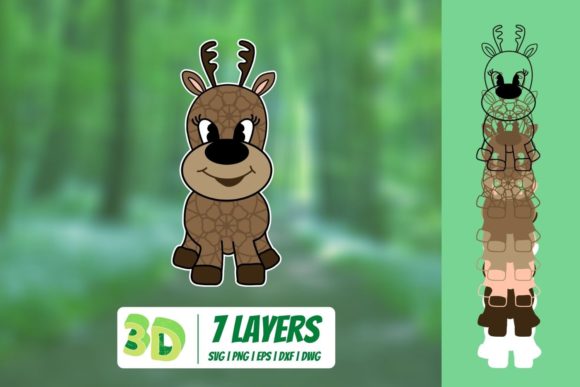
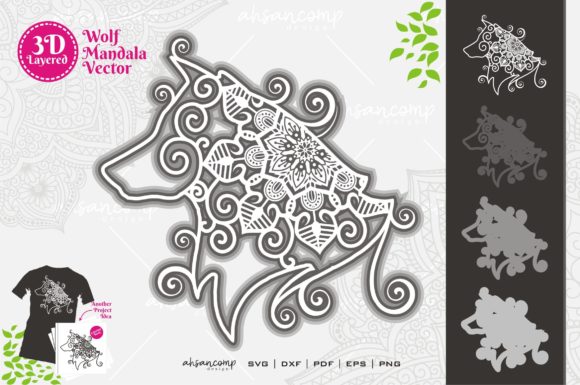
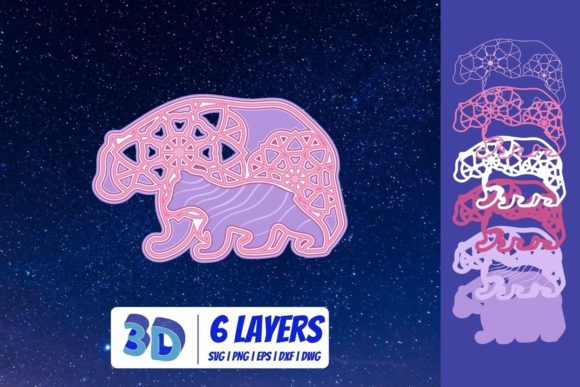
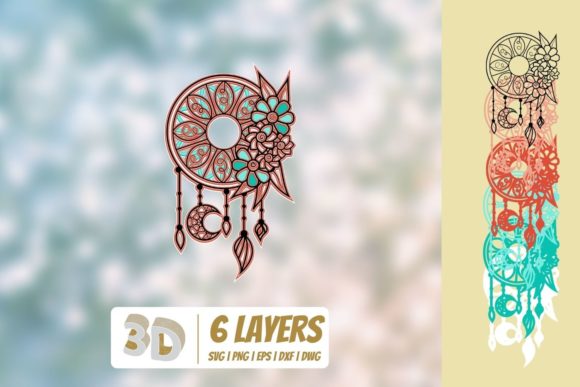
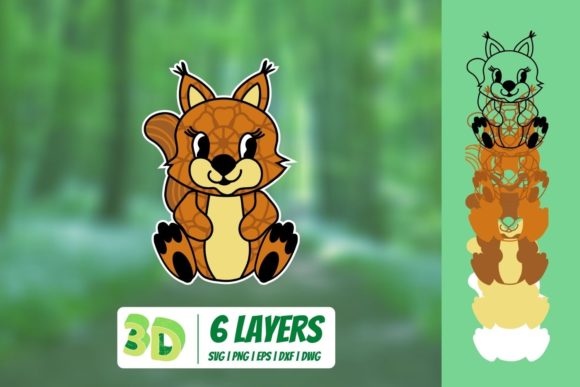
At its heart, the 3D Squirrel SVG is a vector-based graphic that utilizes layering techniques to create an illusion of depth. Unlike standard clip art, which often relies on solid colors and basic outlines, this design incorporates shadows, highlights, and overlapping elements to mimic a sculpted appearance. This makes it particularly popular for T-shirt designs, mugs, tote bags, and home decor items where visual pop is desired.
The distinctiveness of this asset comes from its multi-format availability. When you acquire the 3D Squirrel SVG, you are typically receiving a comprehensive package rather than a single file. This zipped folder approach ensures that regardless of your current software proficiency or hardware limitations, you have access to a version of the image that will work. This inclusivity is a major selling point, as it removes the barrier to entry for crafters who may be using older or more basic versions of design software.
Breaking Down the File Formats
To make an informed decision about how to utilize the 3D Squirrel SVG, it is essential to understand the role each format plays in the production workflow. The inclusion of SVG, DXF, PNG, and EPS covers nearly every base for modern digital fabrication tools.
SVG: The Standard for Cutting Machines
The Scalable Vector Graphic (SVG) format is the industry standard for most electronic cutting machines. For users of Cricut Design Space, the SVG is likely the primary file you will use. Cricut’s ecosystem is built around interpreting vector paths to guide the blade or pen. The 3D Squirrel SVG in this format allows for precise cuts, ensuring that the intricate details of the squirrel’s fur and facial features are reproduced accurately.
Furthermore, this SVG is compatible with a wide range of other popular software platforms:
- Silhouette Designer Edition: Users can import the SVG directly into Silhouette Studio to adjust sizes, rearrange layers, or add text before sending the job to the cutter.
- Make the Cut (MTC): Known for its robust layer management, MTC allows users to separate the complex layers of the 3D squirrel if they wish to print them separately or apply different materials to different parts of the design.
- Sure Cuts A Lot (SCAL): SCAL is a powerful third-party tool that offers advanced editing capabilities. The SVG format ensures that all vector data remains intact, allowing for high-quality resizing without pixelation.
- Brother ScanNCut “Canvas” Software: Brother’s proprietary software also supports SVG imports, making this format a universal key for Brother machine owners.
DXF: Bridging the Gap for Basic Software
While SVG is dominant, it is not universally supported by all free or entry-level software. This is where the DXF (Drawing Exchange Format) becomes critical. The 3D Squirrel SVG Download includes a DXF file specifically to accommodate users of Silhouette Basic Edition.
The Basic Edition of Silhouette Studio is a capable program but lacks some of the native SVG handling features found in the paid Designer Editions. By providing a DXF file, the creator ensures that budget-conscious crafters do not miss out on the design. DXF files are essentially vector blueprints that any CAD or cutting software can read. While they may lack some of the color or layer metadata present in SVGs, they retain the geometric precision needed for accurate cutting.
EPS: Professional Vector Editing
For professionals working in desktop publishing or graphic design, the Encapsulated PostScript (EPS) format is often the preferred choice. The 3D Squirrel SVG Download includes an EPS file, ensuring compatibility with industry-standard applications such as CorelDraw, Inkscape, and Adobe Illustrator.
This format is particularly useful if you plan to modify the design extensively. For instance, a designer might want to change the color palette of the squirrel, integrate it into a larger layout, or combine it with typography in a way that requires precise vector manipulation. EPS files preserve the integrity of the curves and lines, allowing for infinite scalability without quality loss. This makes the 3D Squirrel SVG a versatile asset not just for cutting, but for broader graphic design projects.
PNG: Immediate Visual Reference
Rounding out the package is the Portable Network Graphics (PNG) file. Unlike the vector formats mentioned above, PNG is a raster image. However, the inclusion of a 300 DPI PNG with a transparent background serves several practical purposes.
- Previewing: Before importing a complex SVG into cutting software, users can quickly view the PNG to ensure the design meets their aesthetic expectations.
- Sublimation Printing: If you are using a heat press for direct-to-film sublimation rather than vinyl cutting, the PNG is the ideal file type. It contains all the color information necessary for printing.
- Digital Use: The transparent background allows the squirrel to be placed over any background color or image in digital design software, making it useful for social media graphics or web banners.
Comparative Analysis: Is This the Right Choice for You?
When evaluating the 3D Squirrel SVG against other options, it is important to consider your specific workflow and end goals. Not every digital file offers the same level of flexibility, and understanding the tradeoffs will help you decide if this asset fits your needs.
Strengths and Best-Fit Situations
The primary strength of the 3D Squirrel SVG is its multi-software compatibility. Many sellers provide only one or two formats, forcing users to convert files manually or seek alternative resources. By providing SVG, DXF, EPS, and PNG in a single zip folder, this resource minimizes friction. It is an excellent choice for:
- Hobbyists with Mixed Hardware: If you own both a Cricut and a Brother machine, having both SVG and compatible formats ensures seamless switching between devices.
- Small Business Owners: Entrepreneurs who need to produce various types of merchandise (vinyl shirts vs. printed mugs) benefit from having both vector cut files and high-resolution raster images.
- Beginners: The inclusion of the DXF file lowers the learning curve for those new to Silhouette Studio, while the SVG provides a path forward as they upgrade their software.
Limited Tradeoffs and Considerations
While the format variety is a significant advantage, there are considerations regarding the nature of "3D" designs in cutting. Because the 3D effect is achieved through layered vectors, the success of the final physical product depends heavily on material choice and application technique.
If you are using this for vinyl cutting, you must decide whether to weed the layers individually and stack them (creating a true physical 3D effect) or cut them as a single unit and apply them flat. The former requires more time and precision, while the latter relies entirely on the visual trickery of the print. Additionally, while the EPS file works well in Illustrator, users should be aware that some complex layering in SVGs may require manual ungrouping or tracing when opened in certain vector programs, though the 3D Squirrel SVG is generally optimized to avoid these issues.
Decision Factors: Choosing the Right Resource
Ultimately, the decision to use the 3D Squirrel SVG should be based on your intended output and software environment. If you are strictly a Cricut user looking for a quick, ready-to-cut file, the SVG component alone makes this download valuable. However, if you are a graphic designer needing to manipulate the artwork for a client project, the EPS and PNG components add substantial utility.
Consider the following questions to determine fit:
- Do I need to edit the design deeply? If yes, prioritize the EPS and SVG formats.
- Am I using basic software? If you are on Silhouette Basic, rely on the provided DXF.
- Is my project primarily for printing? If you are sublimating onto mugs or polyester shirts, the 300 DPI PNG is your most efficient starting point.
The 3D Squirrel SVG stands out in the crowded marketplace of digital craft files because it respects the diversity of the crafting community. It does not assume a single software preference or a single method of production. Instead, it provides a complete toolkit that adapts to the user. Whether you are creating a whimsical gift for a child, a trendy apparel item for sale, or a decorative piece for your home, the versatility of this multi-format pack ensures that the design remains accessible and functional. By choosing a resource that offers such broad compatibility, you invest less time in troubleshooting file errors and more time in the creative process itself.