Liquid Background with 3D Fluid Shape
In the rapidly evolving landscape of digital design, visual appeal is no longer just an aesthetic choice; it is a fundamental component of user engagement and brand identity. Among the myriad of design trends that have captured the imagination of creators and businesses alike, the Liquid Background with 3D Fluid Shape has emerged as a powerful tool for modernizing digital interfaces and print materials. This design style combines the organic, flowing nature of liquid dynamics with the depth and realism of three-dimensional rendering, creating visuals that are both soothing and striking. Whether you are looking to refresh your mobile wallpaper, enhance a corporate presentation, or simply find inspiration for a new creative project, understanding the nuances of this trend can significantly elevate your output.
The Anatomy of Fluid Design
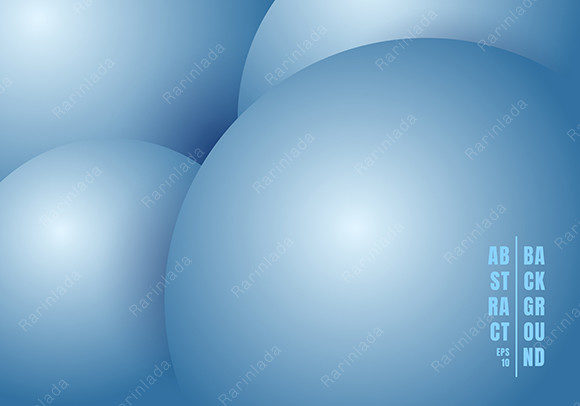
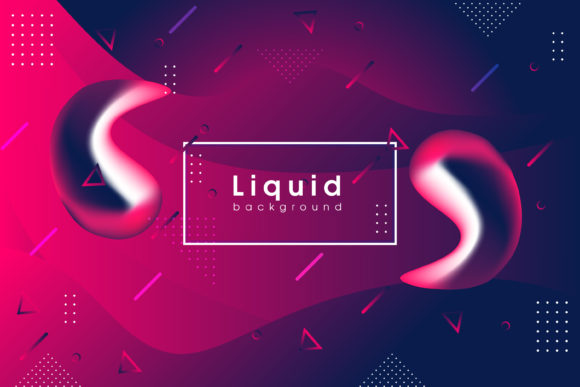
To truly appreciate the value of a Liquid Background with 3D Fluid Shape, one must first understand what makes it distinct from traditional geometric or flat designs. At its core, this style relies on the concept of fluidity—the idea that shapes are not static but are in a state of constant, graceful motion. These backgrounds typically feature abstract forms that resemble droplets, waves, or molten glass, rendered with gradients that shift seamlessly from one color to another.
The "3D" aspect adds a layer of sophistication by introducing lighting, shadows, and highlights. This creates the illusion of volume and depth, making the background appear tangible rather than merely decorative. When combined with vibrant, colorful gradients, these elements produce a mesmerizing effect that draws the eye without overwhelming it. For designers, this means having access to a versatile canvas that can adapt to various moods and themes, from energetic and bold to calm and professional.
Key Features and Technical Specifications
For professionals seeking to implement this design style, the technical specifications of the assets are just as important as their visual appeal. High-quality Liquid Background with 3D Fluid Shape resources often come with specific attributes that ensure they meet industry standards. Below are the critical features that define a premium asset in this category:
- Vector Scalability: One of the most significant advantages of modern liquid backgrounds is that they are 100% vector-based. This means they are scalable to any extent without losing quality. Whether you need a tiny icon background or a massive billboard display, the lines remain crisp and smooth.
- High Resolution: Premium assets are typically provided in high resolution, such as 72 DPI (dots per inch) for screen use. While print requires higher DPI, 72 DPI is standard for digital displays, ensuring sharpness on monitors, tablets, and smartphones.
- RGB Color Mode: Designed primarily for digital media, these backgrounds utilize RGB color mode, which offers a wider gamut of colors compared to CMYK. This results in more vibrant and accurate color reproduction on screens.
- Optimized Dimensions: A common standard size for these backgrounds is 3000×2000 pixels. This aspect ratio provides ample space for detailed composition while remaining manageable for file sizes and loading times.
- File Compatibility: To cater to different workflows, these assets usually include multiple formats. The primary file is often an Adobe Illustrator AI file, allowing for deep customization. Additionally, JPG and PNG exports are included for immediate use in web design, presentations, or photo editing software.
Practical Applications Across Industries
The versatility of the Liquid Background with 3D Fluid Shape allows it to be utilized across a wide range of industries and applications. Its ability to convey movement and modernity makes it particularly effective in sectors where innovation and creativity are paramount.
Digital Media and Mobile Interfaces
For general consumers and tech enthusiasts, these backgrounds are perfect for personalizing devices. They serve as excellent HD wallpapers for iPhone X models, Android smartphones, and desktop computers. The dynamic nature of the 3D fluid shapes keeps the home screen visually interesting without cluttering the interface with too many icons. Furthermore, app developers can use similar principles to create engaging splash screens or loading animations that enhance the user experience.
Business Presentations and Marketing
Professionals and business owners often struggle with creating slide decks that are both informative and visually compelling. Standard templates can feel stale, but incorporating a Liquid Background with 3D Fluid Shape can instantly modernize a presentation. The soft curves and gradients provide a non-distracting backdrop for text and data charts, allowing the content to shine while maintaining a polished, high-end look. This is particularly useful for pitch decks, annual reports, and marketing brochures.
Creative Projects and Web Design
Web designers frequently seek unique backgrounds that break away from the grid-like structure of traditional layouts. Liquid shapes offer a natural flow that can guide the user’s eye through a webpage. By using these backgrounds as hero sections or parallax scrolling elements, designers can create immersive experiences that encourage users to stay longer on the site. Additionally, social media managers can use these assets to create eye-catching posts that stand out in crowded feeds.
Evaluating Suitability for Your Project
While the Liquid Background with 3D Fluid Shape is highly adaptable, it is essential to evaluate whether it fits your specific needs before implementation. Here are some considerations to keep in mind:
- Brand Identity: Does your brand align with fluid, organic aesthetics? If your brand is rigid, industrial, or minimalist, a complex liquid background might clash with your visual language. However, if your brand emphasizes flexibility, innovation, or creativity, this style is likely a strong match.
- Readability: Because these backgrounds often feature vibrant gradients and intricate shapes, text legibility can become a challenge. It is crucial to ensure sufficient contrast between the text and the background. Using semi-transparent overlays or placing text over solid-colored areas within the design can help mitigate this issue.
- Customization Needs: If you require precise control over colors and shapes, opt for vector files like Adobe Illustrator AI. This allows you to tweak gradients, adjust opacity, and modify the Memphis-style abstract shapes to better suit your project. Raster formats like JPG or PNG offer less flexibility but are easier to use for quick edits.
Strengths and Limitations
Understanding the strengths and limitations of this design trend helps set realistic expectations. The primary strength lies in its ability to evoke emotion and attention. The human brain is naturally drawn to curved, organic shapes, which are perceived as friendly and approachable. This psychological advantage can be leveraged to build trust and engagement with audiences.
However, there are limitations. Overuse of liquid backgrounds can lead to visual fatigue. If every element on a page or in a presentation uses this style, the result may feel chaotic rather than cohesive. It is best used as a supporting element rather than the sole focus. Additionally, while vector files are scalable, complex 3D renders can sometimes increase file sizes, potentially affecting load times on slower connections. Optimizing these files for web delivery is a necessary step to balance quality and performance.
Conclusion
The Liquid Background with 3D Fluid Shape represents a convergence of art and technology, offering designers and creators a powerful way to communicate modernity and elegance. With its vector scalability, high-resolution options, and compatibility with industry-standard software, it provides a robust foundation for a variety of projects. From enhancing mobile wallpapers to elevating corporate presentations, the applications are limited only by one’s imagination. By carefully considering brand alignment, readability, and customization needs, users can harness the full potential of this trend to create visually stunning and effective designs.
As digital landscapes continue to evolve, staying informed about emerging design trends is crucial. Incorporating elements like fluid shapes and abstract gradients into your workflow not only keeps your work fresh and relevant but also demonstrates a commitment to quality and innovation. Whether you are a seasoned professional or a hobbyist exploring new tools, experimenting with liquid backgrounds can open up new avenues for creative expression and practical application.