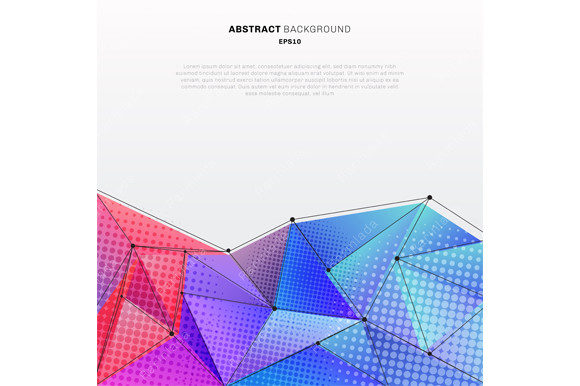
Abstract 3d Low Polygon Structure: Elevating Digital Business Visuals
In the fast-paced world of digital marketing and graphic design, first impressions are everything. When you are crafting a brand identity or designing a campaign, the visual language you choose speaks volumes before a single word is read. This is where the Abstract 3d Low Polygon Structure steps in as a powerful asset. It represents a fusion of geometric precision and artistic abstraction, creating visuals that feel modern, tech-forward, and highly professional. Whether you are a startup founder preparing for a pitch deck or a seasoned designer working on a corporate rebrand, understanding how to leverage this specific aesthetic can significantly enhance your communication strategy.
The appeal of low-poly art lies in its ability to simplify complex forms into their essential geometric components. By reducing shapes to triangles and polygons, designers create a sense of depth and dimensionality without the heaviness of photorealism. When combined with vibrant colors, halftone patterns, and wireframe elements against a clean white background, the result is a sophisticated look that screams "technology" and "innovation." It is not just a trend; it is a versatile tool for conveying structure, connectivity, and forward momentum.
Why Choose Low-Poly for Digital Business Assets?
One of the primary reasons businesses gravitate toward abstract 3d low polygon structures is their inherent scalability and clarity. Unlike intricate photographic images that can become muddy when resized, vector-based low-poly designs maintain their crisp edges and distinct color blocks at any scale. This makes them ideal for a wide range of applications, from tiny mobile app icons to massive outdoor billboards. The use of high-resolution 300dpi files ensures that every detail remains sharp, while the inclusion of fully editable vector formats (such as EPS Version 10) gives designers the freedom to tweak colors, adjust layouts, and customize elements to fit specific brand guidelines.
Furthermore, the minimalist nature of low-poly art aligns perfectly with modern UI/UX trends. Users today prefer clean interfaces that reduce cognitive load. A poster or web banner featuring an abstract 3d low polygon shape can serve as a compelling focal point without overwhelming the viewer with unnecessary details. The contrast between the colorful, structured geometry and the stark white background creates a visual balance that is both engaging and easy to digest. This balance is crucial for retaining attention in a crowded digital landscape.
Real-World Applications Across Industries
The versatility of these vector illustrations means they are not confined to a single niche. Here is how different industries are utilizing this aesthetic to achieve their goals:
- Tech Startups and SaaS Companies: For companies offering cloud computing, data analytics, or cybersecurity solutions, the wireframe and structural aspects of low-poly art mirror the underlying architecture of their products. Using these images in brochure covers or landing pages subtly communicates reliability, complexity managed simply, and technical expertise. A flyer promoting a new software update can feature a dynamic low-poly globe or network node to symbolize global connectivity and seamless integration.
- Financial Services and Fintech: In an industry often perceived as dry or intimidating, adding a splash of colorful, abstract geometry can make financial concepts more approachable. Banks and investment firms use these designs in annual reports and investor presentations to visualize growth charts, market trends, and economic stability. The structured nature of the polygons suggests order and precision, qualities that are paramount in finance.
- Marketing Agencies and Creative Studios: For agencies looking to showcase their creative prowess, using abstract 3d low polygon structures in their own portfolio websites or service menus demonstrates a keen eye for contemporary design. These visuals work exceptionally well as backgrounds for testimonials or case study summaries, providing a textured backdrop that keeps the text readable while adding visual interest.
- Event Marketing and Conferences: Tech conferences, hackathons, and business summits often adopt futuristic themes. Posters and banners featuring vibrant low-poly shapes can set the tone for an event focused on innovation and future technologies. The dynamic angles and halftone effects add energy and movement to static print materials, making them stand out in mailboxes or on social media feeds.
Maximizing Impact with Specific Design Elements
To truly harness the power of these graphics, it helps to understand how specific elements contribute to the overall message. The combination of halftone and wireframe structures adds layers of sophistication. Halftones introduce a retro-modern texture that breaks up solid color fields, preventing the design from feeling too flat. Wireframes, on the other hand, expose the "skeleton" of the image, reinforcing the theme of transparency and structural integrity.
When applying these assets to a web banner or leaflet, consider the interplay of color. The prompt mentions "colorful" shapes, which allows for significant customization. A fintech firm might opt for cool blues and greens to evoke trust and growth, while a creative agency might choose bold reds, yellows, and purples to signal creativity and energy. Because the files are fully editable, you have complete control over the palette, ensuring that the visuals align perfectly with your brand’s existing color scheme.
Practical Considerations for Implementation
While the benefits are clear, there are practical considerations to keep in mind when integrating these designs into your workflow. First, ensure that the final output format meets your printing or digital requirements. Although the source files are high-resolution vectors, exporting them for web use requires optimizing file sizes to ensure fast loading times without sacrificing quality. For print materials like brochures and flyers, confirm that the CMYK color mode is used to avoid unexpected color shifts during the printing process.
Another consideration is the balance between the graphic and the content. Because low-poly structures are visually striking, they can easily overpower text if not positioned correctly. Use the white background effectively to create negative space. This breathing room allows the eye to rest and ensures that your key messages—whether it’s a call to action, a price point, or a value proposition—are the stars of the show. The graphic should support the text, not compete with it.
Compatibility is also a key advantage. Since these files are compatible with major vector-based programs like Adobe Illustrator and Corel Draw, they integrate seamlessly into most professional design workflows. You do not need specialized software to edit them, which lowers the barrier to entry for smaller teams or solo entrepreneurs who may not have access to expensive design suites. However, basic proficiency in vector editing tools will help you get the most out of the customizable features.
Building Trust Through Professional Presentation
Ultimately, the goal of using high-quality visual assets like the Abstract 3d Low Polygon Structure is to build trust and credibility. In a digital age where consumers are bombarded with information, a polished, professional presentation signals that a business pays attention to detail. It suggests that the company invests in its brand and values quality. Whether you are sending out a digital newsletter or handing out physical leaflets at a trade show, the consistency of your visual identity plays a huge role in how your audience perceives your professionalism.
By leveraging the flexibility of vector graphics, you can create a cohesive look across all your marketing channels. Use the same low-poly style for your website headers, social media posts, and printed collateral. This consistency reinforces brand recognition and makes your marketing efforts more memorable. The fact that these files are watermark-free and ready to use means you can deploy them quickly, saving time and allowing you to focus on the strategic aspects of your campaign.
As technology continues to evolve, so do the visual languages we use to communicate with it. Abstract 3d low polygon structures represent a bridge between the organic and the digital, the complex and the simple. By incorporating these designs into your business materials, you are not just following a trend; you are adopting a visual dialect that resonates with modern audiences. It is a smart, practical choice for anyone looking to elevate their brand’s presence in a competitive marketplace.