Pattern Ornament 3d Easy for Hack: Streamlining Your Creative Workflow with Efficient Design Assets
In the modern digital landscape, where visual communication is paramount, the demand for high-quality, intricate design elements has never been higher. Whether you are a graphic designer crafting a brand identity, a hobbyist creating custom gifts, or an entrepreneur developing packaging materials, the ability to produce ornamental patterns efficiently is a significant competitive advantage. This is where specialized assets like Pattern Ornament 3d Easy for Hack come into play. While the terminology might sound technical, the underlying concept is straightforward: it represents a streamlined approach to accessing and utilizing complex 3D-style ornamental structures without the steep learning curve traditionally associated with 3D modeling software.
The core value of this asset lies in its accessibility. Traditional methods of creating ornamental designs often require proficiency in heavy-duty software like Adobe Illustrator or Blender, along with extensive time investment. By leveraging pre-structured files, such as those available in PSD layer formats, creators can bypass the initial hurdles of construction and focus immediately on customization and integration. This shift from creation to adaptation is crucial for professionals who need to maintain productivity while delivering bespoke results.
Understanding the Structural Foundation
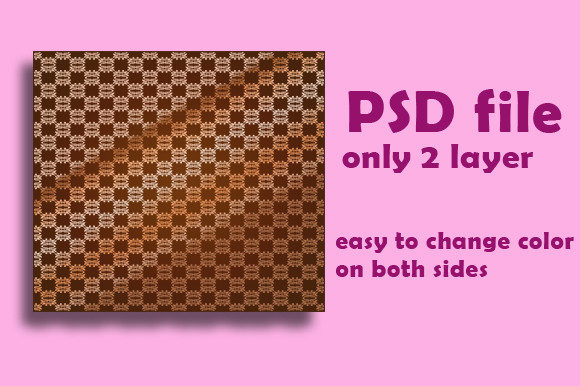
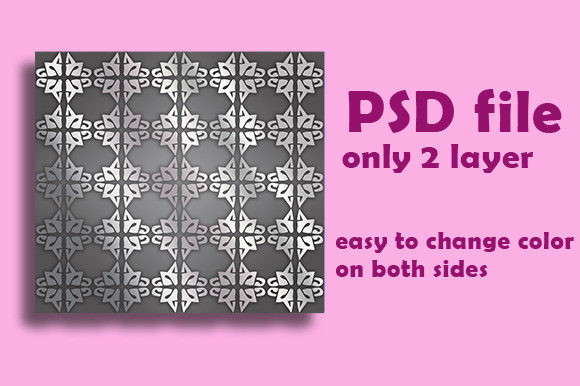
To effectively integrate these assets into your workflow, it is essential to understand what constitutes the "Pattern Ornament 3d Easy for Hack" file structure. Typically, these resources are distributed as layered Photoshop (PSD) files or vector formats that isolate specific components of a larger design. The key feature highlighted in many of these packages is the separation of elements, often limited to two primary pattern ornament structures. This simplification is not a limitation but a strategic design choice that enhances usability.
By restricting the complexity to two main structural layers, the asset allows for rapid manipulation. Users can toggle visibility, adjust opacity, merge layers, or apply blend modes to create depth and dimensionality that mimics 3D rendering. This approach is particularly effective for black and white pattern ornaments, which rely heavily on contrast and negative space rather than color gradients to achieve visual impact. Understanding this binary structure enables designers to experiment with symmetry, repetition, and scale without getting bogged down by overly complex node paths or mesh geometry.
Integration Across Creative Disciplines
The versatility of these ornamental patterns extends across a wide array of professional and personal projects. For web designers and marketers, these assets serve as excellent background textures or decorative dividers. A well-placed floral ornament pattern can elevate the aesthetic of a landing page, guiding the user’s eye toward call-to-action buttons without distracting from the primary content. Similarly, in print media, such as brochures or business cards, a subtle ornamental background adds a layer of sophistication and tactile quality that plain colors cannot replicate.
- Branding and Identity: Use ornamental vectors to create unique logo accents or watermark overlays that establish a distinctive visual language.
- Packaging Design: Integrate pattern blocks onto product boxes to create shelf appeal. The 3D effect achieved through layering can simulate embossing or foil stamping, reducing the need for expensive physical proofs.
- Textile and Fashion: For those involved in textile design, these patterns can be tiled seamlessly to create fabric prints for apparel, scarves, or home decor items like aprons and quilts.
Furthermore, the application of these patterns is not confined to digital screens. In architecture and interior design, ornamental patterns inform tile layouts, wallpaper designs, and facade details. An understanding of how geometric and floral ornaments interact can help architects visualize spatial dynamics before committing to material costs. By using digital mockups based on these easy-to-edit templates, stakeholders can review design concepts quickly, facilitating faster decision-making processes.
Workflow Optimization and Efficiency
One of the most significant benefits of using pre-made ornamental assets is the optimization of the creative workflow. Time is a critical resource in any project, and spending hours constructing basic ornamental shapes from scratch is often inefficient. Instead, professionals can use these assets as starting points. For instance, when working on a Christmas-themed campaign, a knitter or crocheter might use a digital pattern as a reference for physical crafts, while a graphic designer uses the same visual motif for social media graphics. This cross-disciplinary utility ensures consistency across different mediums.
When implementing these assets, preparation is key. Before importing a Pattern Ornament 3d Easy for Hack file into your project, ensure that your workspace is organized. Create separate folders for source files, exported assets, and final deliverables. This organizational habit prevents clutter and makes it easier to locate specific variations later. Additionally, always work on duplicate copies of the original files. This practice preserves the integrity of the source material, allowing you to revert to the original state if a particular adjustment does not yield the desired result.
Compatibility is another factor to consider. Most modern design tools support standard formats like PSD, AI, and PNG. However, if you are working with older software versions or specific industry standards, check the file compatibility beforehand. Converting files early in the process can save troubleshooting time later. For example, converting a layered PSD into a flattened PNG is useful for web use, while keeping the AI version ensures scalability for print applications.
Quality Control and Customization
While these assets provide a strong foundation, true professionalism comes from customization and quality control. A generic pattern applied directly to a project may look out of place if it does not align with the overall color palette or theme. Therefore, post-processing is a necessary step. Adjust the hue, saturation, and brightness to match your brand guidelines. If using black and white patterns, consider adding a subtle tint or overlay to integrate them more naturally with colored backgrounds.
For those interested in specific styles, such as Islamic, Gothic, or Indian ornament designs, the structural principles remain similar, but the cultural nuances must be respected. Islamic patterns, for instance, often rely on infinite repetition and geometric precision, avoiding representational imagery. Gothic patterns may feature more organic, flowing lines inspired by nature and architecture. Indian ornaments often incorporate rich florals and symbolic motifs. When adapting these styles using easy-to-hack templates, pay attention to the proportions and spacing inherent to each tradition to maintain authenticity.
Consistency is vital, especially when creating series-based designs like a set of greeting cards or a collection of social media posts. Establish a grid system or alignment guides to ensure that the ornamental elements are positioned consistently across all assets. This attention to detail enhances the perceived quality of the work and reinforces brand recognition.
Long-Term Value and Resource Management
Investing in high-quality ornamental assets is not just about completing a single project; it is about building a reusable library of resources. Over time, as you customize and refine these patterns, they become part of your personal or corporate toolkit. This long-term accumulation of assets reduces the time required for future projects. Instead of searching for new templates every time, you can draw from your existing collection, ensuring a consistent style and higher efficiency.
Moreover, sharing these refined assets within a team can enhance collaboration. When multiple designers have access to the same standardized ornamental structures, the final output maintains a cohesive look regardless of who created it. This is particularly beneficial for agencies managing multiple clients or large organizations with diverse marketing channels.
In conclusion, the Pattern Ornament 3d Easy for Hack represents a practical solution for modern creatives seeking to balance speed with quality. By understanding the underlying structure, integrating these assets thoughtfully into various workflows, and maintaining rigorous quality control, professionals can unlock new levels of creativity and efficiency. Whether you are designing a festive wreath, a sophisticated book cover, or a seamless web background, these ornamental tools provide the flexibility and power needed to bring your vision to life with precision and style.