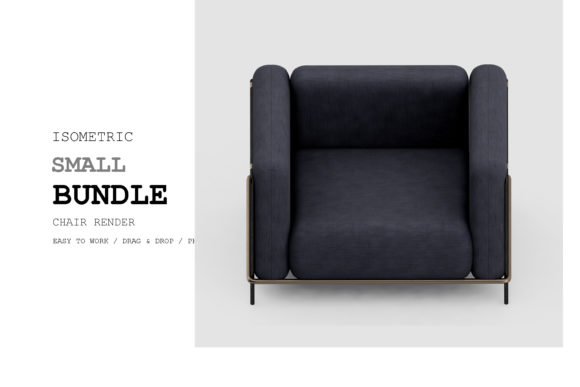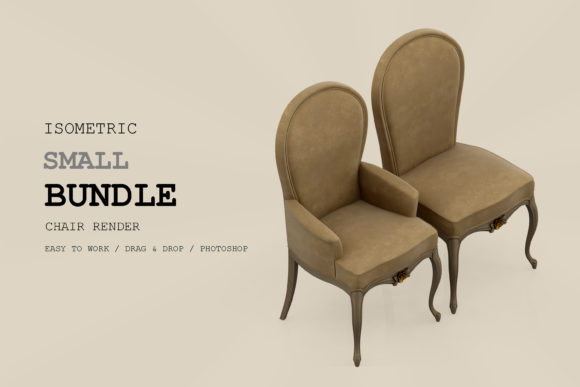
Isometric Chair 3D Render Pack 299
In the rapidly evolving landscape of digital design, visual communication is paramount. Whether you are an architect presenting a concept to a client, a marketer crafting a social media campaign, or a student submitting a final project, the quality and versatility of your visuals can make or break your message. This is where specialized assets become indispensable tools in a designer’s workflow. Among these resources, the Isometric Chair 3D Render Pack 299 stands out as a comprehensive solution for professionals and hobbyists alike who require high-quality, ready-to-use graphical elements.
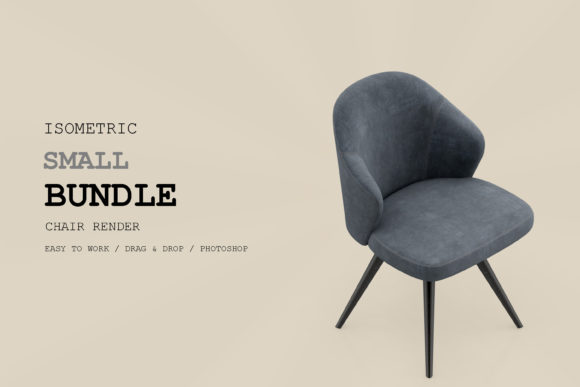
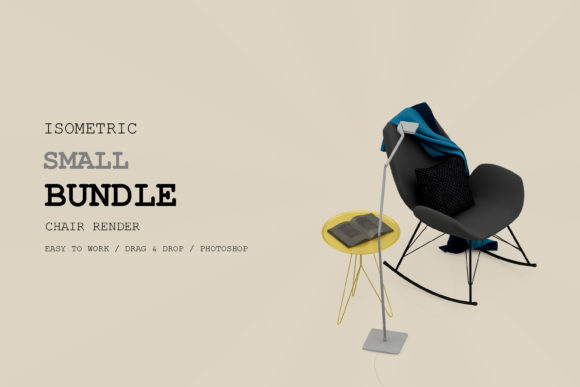
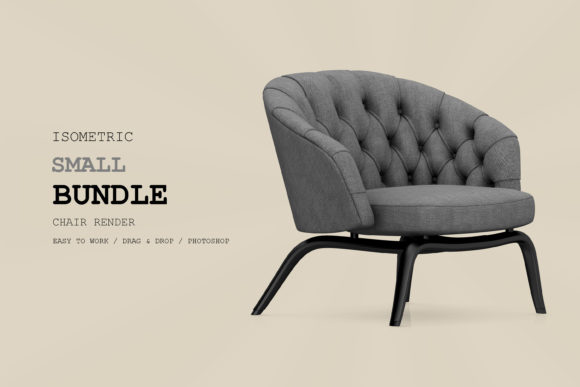
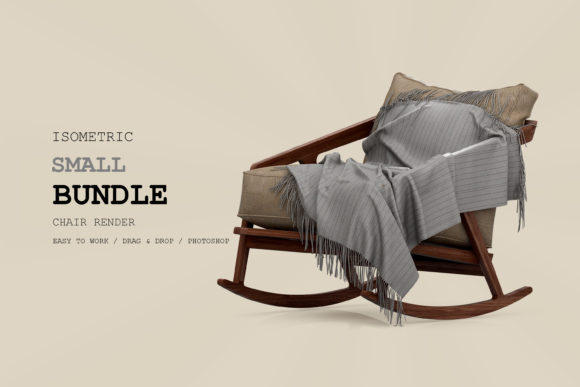
This pack is not merely a collection of images; it is a meticulously organized suite of 3D renders designed to streamline the creative process. By providing pre-rendered isometric views of chairs with separated backgrounds, organized layers, and distinct shadow effects, this resource allows users to focus on composition and storytelling rather than spending hours modeling and rendering basic furniture pieces from scratch. For those seeking practical efficiency without sacrificing aesthetic quality, understanding how to leverage such a pack is essential.
Understanding the Value of Isometric Design
Before diving into the specifics of the pack, it is helpful to understand why isometric design remains a popular choice across various industries. Isometric projection creates a 3D appearance using a 2D drawing style, offering a unique perspective that feels both technical and artistic. It eliminates perspective distortion, allowing viewers to clearly see the dimensions and details of objects simultaneously. This makes it ideal for infographics, user interface (UI) design, architectural visualizations, and educational materials.
The challenge many designers face is creating these views from scratch. Modeling a chair, texturing it, setting up lighting, and rendering it at high resolution requires significant time and technical skill. The Isometric Chair 3D Render Pack 299 addresses this bottleneck by providing high-fidelity assets that are immediately usable. Each render is produced at a high resolution with a DPI of 300, ensuring that the images remain crisp and clear even when printed on large formats or viewed on high-density screens.
Key Features That Enhance Workflow
What truly sets this pack apart is its attention to organizational detail. When working with complex designs, file management is just as important as the visual content itself. The pack includes several critical features designed to facilitate seamless integration into existing projects:
- Separated Backgrounds: Every chair in the pack is rendered against a transparent or isolated background. This eliminates the tedious task of masking out backgrounds in photo editing software, allowing designers to place the chairs directly onto any surface, color, or texture they choose.
- Organized Layers: For users who work with vector-based or layered raster files, the organized structure means that components like legs, seats, and backs may be accessible separately. This flexibility allows for customization, enabling you to mix and match parts to create unique variations of chairs that fit specific brand guidelines or design themes.
- Separated Shadows: Lighting is often the hardest part of compositing. By providing separated shadows, the pack ensures that the chairs cast realistic light effects that can be adjusted independently of the object itself. This adds depth and realism to your compositions, making flat layouts feel three-dimensional and grounded.
- High Resolution and DPI 300: Standard web images often suffer from pixelation when scaled up. With a DPI of 300, these renders meet professional print standards. This means you can confidently use them in brochures, posters, and business cards without worrying about quality loss.
Practical Applications Across Industries
The versatility of the Isometric Chair 3D Render Pack 299 allows it to be utilized in a wide array of contexts. Here is how different professionals can apply these assets to solve common design challenges:
Architecture and Interior Design
Architects and interior designers often need to present space plans that are easy to understand at a glance. Isometric views are perfect for floor plans because they provide volume without overwhelming the viewer with perspective lines. Using these high-resolution renders, designers can populate their space plans with realistic furniture, helping clients visualize how a room will look and feel. The separated shadows ensure that the furniture integrates naturally into the floor plan, enhancing the overall realism of the presentation.
Web Design and Digital Advertising
In the digital realm, speed and clarity are crucial. Web designers can use these assets to create engaging landing pages, especially for e-commerce sites selling furniture or home decor. Because the backgrounds are already separated, integrating these images into HTML or CSS layouts is straightforward. Advertisers can also use these clean, modern graphics in social media ads to grab attention quickly. The professional quality of the renders helps build trust with potential customers, signaling that the brand pays attention to detail.
Educational Materials and School Projects
For students and educators, the barrier to entry for creating professional-looking diagrams can be high. The Isometric Chair 3D Render Pack 299 offers an accessible way to illustrate concepts in engineering, design, or even economics (such as supply and demand curves involving physical goods). The help file included with the pack provides guidance on how to use the assets effectively, making it a valuable educational tool. Students can focus on their core subject matter while still producing visually impressive presentations.
Blog Content and Social Media
Content creators constantly struggle to produce fresh, high-quality visuals. Stock photography is often generic and overused. By using custom isometric renders, bloggers and influencers can create unique imagery that stands out in crowded feeds. Whether illustrating a blog post about ergonomic seating or creating an infographic about office productivity, these packs offer a consistent visual language that enhances readability and engagement.
Implementation Tips for Best Results
To get the most out of the Isometric Chair 3D Render Pack 299, consider the following recommendations:
- Maintain Consistency: If you are building a larger scene, try to use chairs from the same pack to maintain a consistent style and lighting direction. Mixing different render packs might result in conflicting shadow angles or texture styles.
- Leverage the Help File: Always refer to the included help file for specific instructions on layer organization and file compatibility. This can save hours of troubleshooting and ensure you are utilizing all available features.
- Customize Colors: If the pack allows for color changes via layers, experiment with brand-specific colors. This transforms generic assets into tailored marketing materials that align perfectly with your identity.
- Combine with Other Elements: Don’t limit yourself to just chairs. Use these isometric principles to combine the chairs with other isometric elements like desks, plants, or people to create rich, narrative-driven scenes.
Conclusion
In a world where visual content drives decision-making, having access to high-quality, flexible assets is a competitive advantage. The Isometric Chair 3D Render Pack 299 offers more than just pretty pictures; it provides a structured, efficient pathway to professional-grade design. Whether you are working on a small school project or a large-scale advertising campaign, this pack empowers you to create compelling visuals with minimal friction. By embracing these tools, designers can shift their focus from technical execution to creative expression, resulting in work that is not only beautiful but also strategically effective.